01
Personal motivation
Values, strengths, identity and the meaning a person seeks in their work.
 Start a conversation
Executive & team coaching
The Coherence Method helps people connect what matters within them to what their organisation needs—turning compliance into ownership.

Three dimensions.
One coherent direction.
The real performance gap
When the connection between personal motivation and institutional purpose is weak, organisations fill the gap with supervision, pressure and repeated instruction.
Restore that connection and the dynamic changes. Motivation becomes internal. Accountability feels natural. People stop performing ownership and begin to practise it.
Not forced. Not performed. Owned.
The Coherence Method
A practical framework for moving from scattered effort to deliberate, accountable action.
Values, strengths, identity and the meaning a person seeks in their work.
Strategy, performance, team dynamics and delivery commitments—understood intelligently, not followed passively.
The real needs of communities, clients and beneficiaries—the reason the work matters beyond the task itself.
Clarity
Coherence
Alignment
Leadership
Impact
Who this work serves
For people and organisations ready to replace pressure-driven performance with clarity, connection and genuine ownership.
Find clarity, direction and stronger self-leadership through transition, new responsibility or professional doubt.
Lead with less control. Delegate with confidence and build teams that hold themselves accountable.
Strengthen trust, communication and shared ownership—especially under pressure, change or complex mandates.
Build the leadership quality, engagement and accountable performance your strategy depends on.
Coaching insights
Short video reflections on the inner questions that shape confidence, career direction and responsible leadership.
 YouTube ↗
A short reflection for capable professionals who still question whether they belong in the room.
 YouTube ↗
A practical perspective on making career choices that connect identity, motivation and meaningful contribution.
Sound Pulse facilitation
Some people cannot enter deep reflection immediately through words. Their attention is still scattered across the pressure of professional life.
In selected group sessions, rhythm, resonance, breathing and silence create a non-verbal entry into presence. The room settles. Hierarchy softens. Honest dialogue becomes possible.
This is not performance, therapy or a healing practice. It is a consent-based opening into structured coaching and group reflection.
Sound Pulse in practice
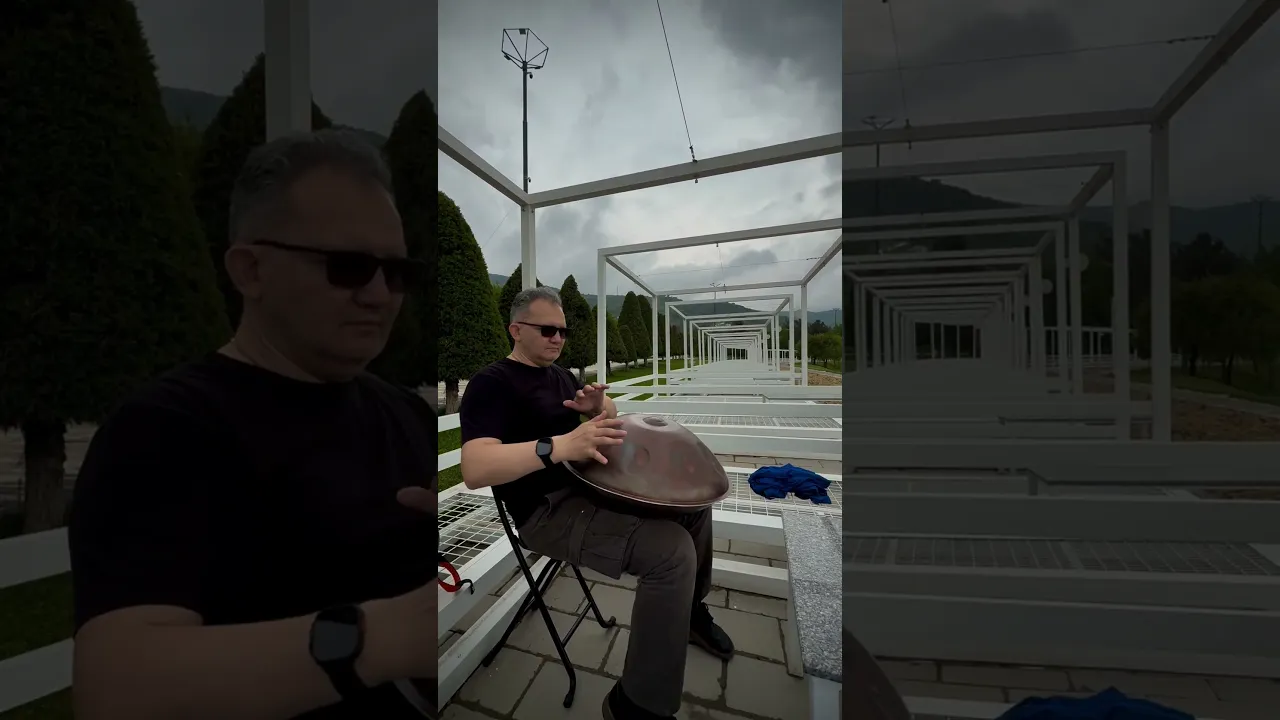
Three glimpses into how rhythm and resonance can support attention, settling and readiness for reflection.
Ways to work together
Confidential, purposeful sessions for clarity, motivation, leadership identity, career direction and decision-making.
Develop a coaching style of leadership that creates accountability without relying on close supervision.
Reconnect around shared purpose, rebuild trust, clarify roles and take stronger collective ownership of results.
Reflective coaching combined, where useful, with relevant insight from international leadership and organisational management.
An embodied, consent-based opening that creates presence and readiness before structured dialogue or reflection.
About Bakhodir
Bakhodir Rahimov, MD
Physician · International development leader · Professional coach · Sound Pulse facilitator
I bring three decades of experience across clinical medicine, international development leadership, professional coaching and sound-based group facilitation.
That range matters. It means calm thinking under pressure, a real understanding of complex institutions and a coaching approach grounded in the realities leaders and teams actually face.
Coaching education: Client-Centred Coaching School and Flow Coaching Institute. ICF-aligned Level 1 completed; Level 2 and credential pathway in progress.
How it works
Engagements can be a single session, a focused three-session package or a longer coaching cycle, depending on the goal and context.
A confidential, no-obligation conversation about your goals and whether the approach is a good fit.
Define the goal, format, number of sessions and boundaries of confidentiality.
Structured, reflective and practical sessions—typically 60–90 minutes for individuals.
Close with a clear next step and, where useful, a plan for sustaining progress.
Confidentiality When an organisation sponsors the work, only anonymised and aggregate themes are shared, in line with the agreed boundaries.
What this work is—and is not
It is not therapy, performance evaluation or consulting that simply tells people what to do. Sound, when used, supports attention and readiness for reflection—nothing more, and nothing less.
Start with a conversation
Bring the context. We’ll explore the goal and decide whether this approach is right for you, your team or your organisation.
Schedule an exploratory call ↗